


Taylor Swift is arguably the most commercially dominant artist working today, yet on February 28, 2026, she became the story nobody at the BRIT Awards expected. Despite carrying two nominations into the ceremony at Manchester’s Co-op Live, Swift walked away without a single trophy. The Taylor Swift snubbed BRIT Awards moment quickly became one of the most talked-about outcomes of the night, sparking debate among fans, critics, and industry watchers about how popularity and awards recognition can diverge so sharply for even the biggest names in music.
This article breaks down exactly what happened, why it happened, how fans and critics reacted, and what it means for Swift’s standing in the industry going forward.
What Happened at the 2026 BRIT Awards
The 46th annual BRIT Awards took place on February 28, 2026, at Manchester’s Co-op Live arena, marking the first time the ceremony was held in that venue. Comedian Jack Whitehall hosted the show, which was broadcast live on ITV and, for the first time, streamed on ITV’s YouTube channel.
Taylor Swift entered the night with two nominations tied to her latest album, The Life of a Showgirl, and its lead single, “The Fate of Ophelia.” She was nominated in the International Artist of the Year category and the International Song of the Year category. Both were considered categories she had a realistic chance of winning, given her commercial dominance throughout the previous year.
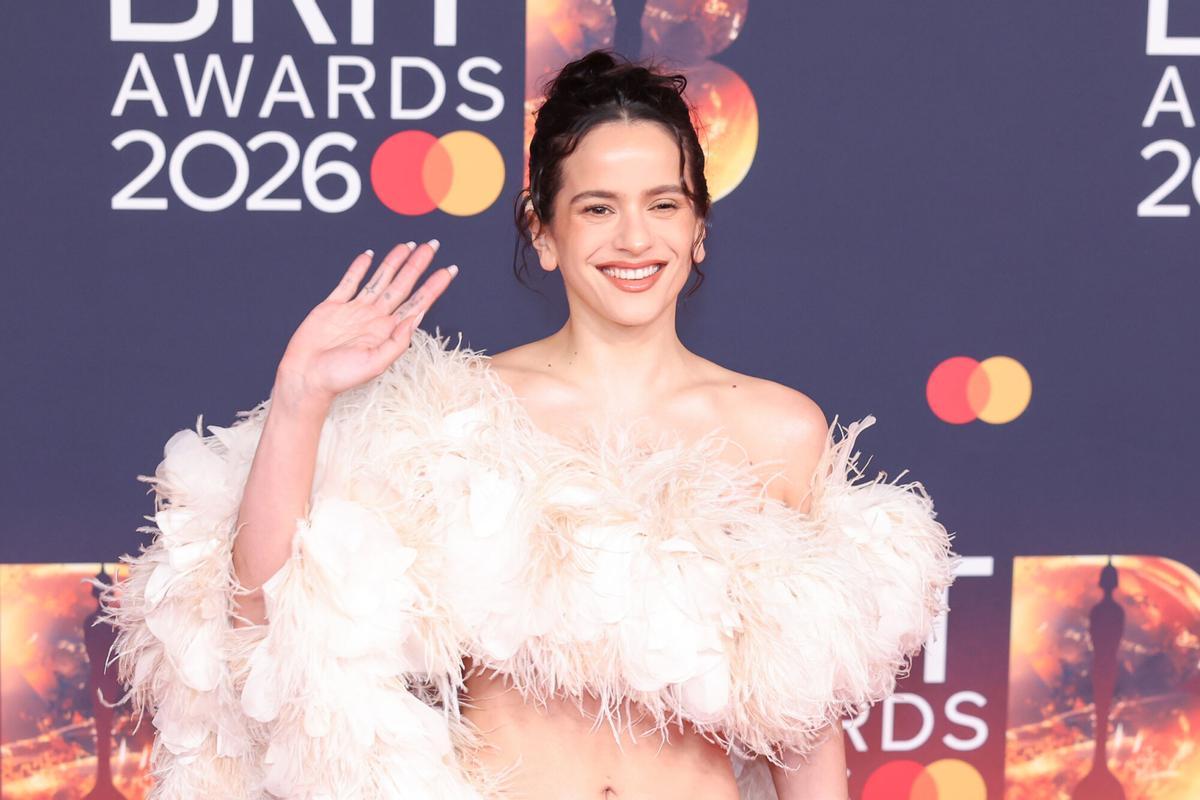
By the end of the ceremony, Swift had lost both. The International Song of the Year award went to “APT.,” the collaboration between Bruno Mars and Rosé, even though “The Fate of Ophelia” had spent seven weeks at number one on the United Kingdom charts. The International Artist of the Year award went to Spanish singer-songwriter Rosalía, who also delivered one of the standout performances of the evening.
Why the Loss Surprised So Many Fans
The Taylor Swift snubbed BRIT Awards narrative gained traction largely because of the gap between her chart performance and the ceremony’s final results. “The Fate of Ophelia” was not a modest hit. It topped the UK charts for nearly two months, a level of commercial success that many assumed would translate into a BRIT Award win.
Award shows, however, do not always align commercial success with critical or voter consensus. The BRIT Awards’ international categories in particular tend to reward artistic ambition and cultural impact within the UK music scene, not just chart positioning. Rosalía’s win, for example, followed a widely praised live performance of her song “Berghain,” which reportedly stunned the arena and reinforced her reputation as one of pop’s most inventive voices.
Taylor Swift’s Absence From the Ceremony
Adding another layer to the story was Swift’s absence from the event itself. In the days leading up to the ceremony, speculation grew that she might make a surprise appearance, fueled partly by the fact that her Eras Tour had never included a Manchester stop. Fans theorized that a BRITs appearance could finally close that gap.
Host Jack Whitehall was repeatedly asked about the rumors in radio interviews before the show. He eventually confirmed she would not be attending, putting an end to weeks of speculation. Swift ultimately spent the weekend at home rather than traveling to Manchester, despite having been in the United Kingdom just two weeks earlier.
Her absence meant there was no acceptance speech to react to and no in-the-moment response from Swift herself. As a result, much of the post-show conversation centered entirely on the voting outcome rather than any comment from the artist. She did not publicly address the results afterward.
A Pattern of Selective Attendance
Swift’s decision to skip the ceremony fits a broader pattern seen throughout her career. She has always been selective about which award shows she attends in person, often prioritizing her schedule, family commitments, or ongoing projects over appearances that are not guaranteed wins. In this case, staying home appeared to be a deliberate choice rather than a scheduling conflict tied to touring, since she was not on the road at the time.
How the Taylor Swift Snubbed BRIT Awards Debate Unfolded Online
Once the results were announced, reaction split fairly quickly into two camps. One side viewed the outcome as a genuine snub, arguing that an artist with Swift’s chart dominance and cultural reach should have walked away with at least one award. The other side pushed back on the framing itself, noting that losing after being nominated is a normal part of any competitive awards process rather than evidence of being overlooked.
This second viewpoint gained visibility on social media, where some commentators argued that calling the result a “snub” misrepresented what actually happened. Being nominated and then losing to strong competition is different from being ignored entirely, and several observers made that distinction publicly in the days following the ceremony.
Music outlets that cover awards season closely also weighed in, listing Swift’s loss among the night’s most notable surprises. Industry publications pointed out that the international artist category was especially competitive in 2026, featuring not just Swift but Sabrina Carpenter, Chappell Roan, and Rosalía, all of whom had strong years commercially and critically.
Other Notable Results From the Night
Swift’s loss was not the only headline of the evening. Olivia Dean had a dominant night, sweeping four major categories including Album of the Year, Artist of the Year, Song of the Year, and Pop Act, cementing her position as one of the UK’s leading pop voices following similar breakthrough moments for RAYE and Charli XCX in prior years.
Rosé became the first K-pop artist to win a BRIT Award through her collaboration on “APT.,” while Rosalía made history as the first Spanish-language artist to win in the international artist category. Lily Allen also left empty-handed despite widespread critical praise for her 2025 album West End Girl, joining Swift among the night’s notable non-winners.
Does the BRIT Awards Snub Actually Matter for Taylor Swift’s Career
For most artists, an awards show shutout can dent momentum or shift public perception, at least temporarily. Swift occupies a different position in the industry. Her commercial track record, streaming numbers, and stadium tour history place her in a category few artists ever reach, and a single loss at one ceremony does very little to change that broader picture.
It is also worth noting that this was not Swift’s first experience with the BRIT Awards, and her history with the ceremony has generally been favorable. In 2021, she became the first female artist and the first non-British artist to receive the BRITs Global Icon Award, one of the organization’s highest honors. She has picked up multiple nominations in international categories over the years, reflecting a consistently strong connection with UK audiences and voters.
Given that history, the 2026 shutout stands out as unusual rather than representative of how the BRIT Awards has typically treated her. A single disappointing night does not erase a decade-plus relationship with one of music’s most prestigious ceremonies.
What This Means Going Forward
If past patterns hold, the Taylor Swift snubbed BRIT Awards story is unlikely to have any lasting effect on her trajectory. She has repeatedly demonstrated an ability to move between genres, reinvent her sound, and remain commercially dominant regardless of how individual award shows score her work in any given year.
The broader takeaway from the night points to a larger question that resurfaces whenever a major artist loses: should award shows measure popularity, artistic risk-taking, or some balance of the two? The BRIT Awards’ choice to reward Rosalía’s genre-bending performance over Swift’s commercially dominant single suggests voters leaned toward artistic ambition in 2026, even at the expense of recognizing the year’s biggest streaming and sales numbers.
Conclusion
The Taylor Swift snubbed BRIT Awards moment from February 2026 offers a clear example of how commercial success and awards recognition do not always move in the same direction. Swift entered the ceremony with two strong nominations and left with none, a result made more notable by her decision to skip the event entirely. While the loss generated plenty of headlines and online debate, it says more about the unpredictable nature of awards voting than it does about Swift’s actual standing in the music industry. Her chart records, streaming dominance, and history with the BRIT Awards, including her 2021 Global Icon Award, suggest this particular result is an outlier rather than a shift in how the industry views her work.
Frequently Asked Questions
1. Why was Taylor Swift snubbed at the BRIT Awards? Swift lost both of her nominations, International Artist of the Year and International Song of the Year, to Rosalía and the Bruno Mars-Rosé single “APT.,” respectively. BRIT voters favored artistic ambition and standout live performances over chart dominance that year.
2. Did Taylor Swift attend the 2026 BRIT Awards? No. Despite rumors of a possible surprise appearance, Swift did not attend the ceremony in Manchester. Host Jack Whitehall confirmed her absence in interviews before the show.
3. What songs and categories was Taylor Swift nominated for? Swift was nominated for International Artist of the Year and International Song of the Year, with the latter nomination tied to her single “The Fate of Ophelia” from her album The Life of a Showgirl.
4. Has Taylor Swift won BRIT Awards in the past? Yes. In 2021, she became the first female artist and first non-British artist to receive the BRITs Global Icon Award, one of the ceremony’s highest honors. She has also received multiple nominations in international categories over the years.
5. Will the BRIT Awards snub affect Taylor Swift’s career? Most industry observers believe it will not. Swift’s commercial success, streaming numbers, and stadium tour history remain unmatched by most of her peers, and a single awards loss is unlikely to shift her overall standing in the music industry.
